
Siem Reap Landmine Museum: A Powerful Reminder of Cambodia’s Past
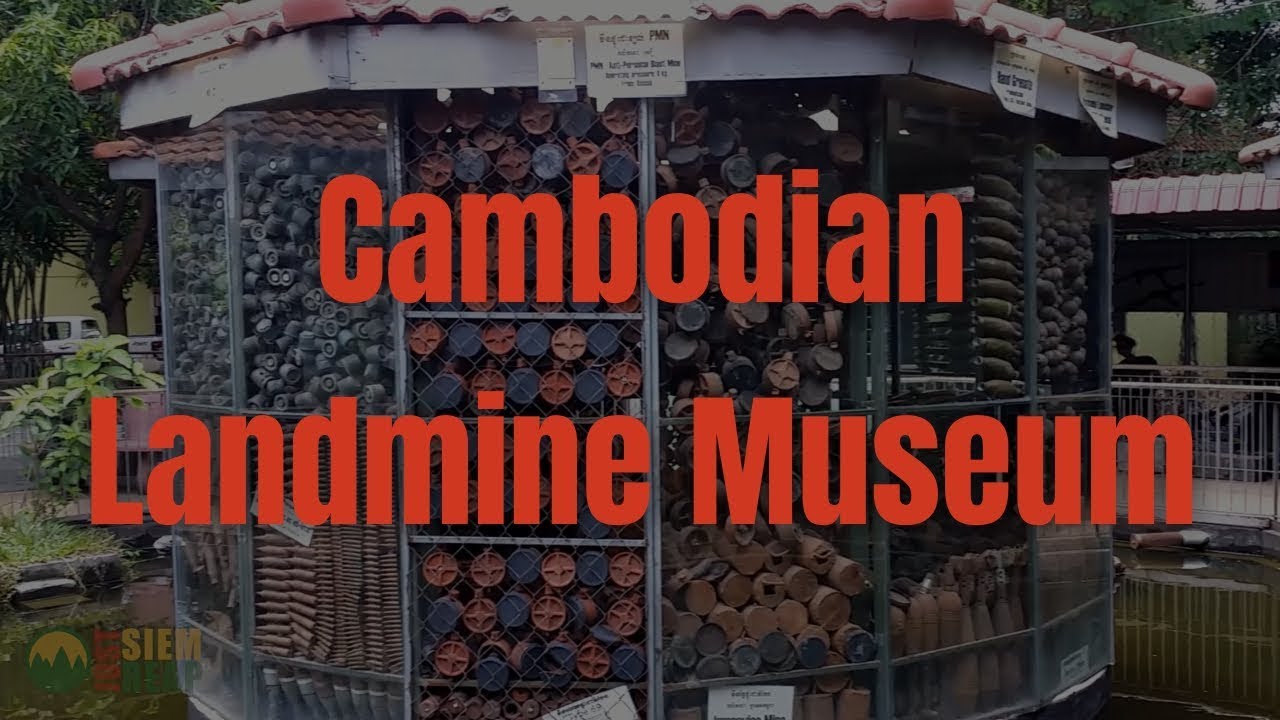
The Cambodia Landmine Museum is one of the most meaningful and emotional places to visit in Cambodia. Located about 25 kilometers north of Siem Reap on the road to Banteay Srei, the museum tells the story of Cambodia’s decades of war and the devastating impact landmines continue to have on local communities.
Unlike traditional museums focused only on artifacts and history, the Cambodia Landmine Museum combines education, humanitarian work, and personal stories. It gives visitors a deeper understanding of the suffering caused by war while also highlighting the courage and determination of those working to rebuild Cambodia.
History of the Landmine Museum
The museum was founded in 1997 by Aki Ra, a former child soldier who spent much of his youth fighting during Cambodia’s civil conflicts and the Khmer Rouge period. As a child, Aki Ra was forced to plant landmines for different military groups during years of war. Later in life, he dedicated himself to removing the same deadly explosives from villages and farmland across Cambodia. (Tourism Cambodia)
At first, Aki Ra cleared mines using homemade tools and simple equipment. He began collecting deactivated landmines, bombs, and weapons in his home to educate visitors about the dangers of unexploded ordnance. Over time, his personal collection became widely known among travelers, eventually growing into the Cambodia Landmine Museum. (Tuk Tuk Roben)
The museum later moved to its current location near Banteay Srei Temple, inside the Angkor region. The larger site allowed the organization to expand its educational programs and support services for children affected by landmines. (Wikipedia)
Cambodia and the Landmine Problem
Cambodia remains one of the most heavily mined countries in the world due to decades of conflict from the 1960s through the 1990s. Millions of landmines and unexploded bombs were left buried across the countryside after civil wars, Khmer Rouge rule, and foreign military involvement. (Siem Reap)
Even today, many rural areas still contain dangerous explosives hidden underground. Farmers, children, and villagers continue to face risks while working in fields or walking through forests. Thousands of Cambodians have lost limbs or lives because of landmine accidents. (Exo Travel)
The museum was created to help people understand that the consequences of war continue long after the fighting ends.

What Visitors Can See
Inside the museum, visitors can explore a large collection of deactivated landmines, rockets, bombs, rifles, mortars, and military equipment collected from different regions of Cambodia. Information panels explain how landmines work, where they came from, and how they affected ordinary Cambodian families. (Tourism Cambodia)
Photographs, survivor stories, and documentary displays provide emotional insight into the struggles faced by landmine victims. Many visitors describe the museum as one of the most powerful experiences during their trip to Cambodia.
The museum also explains the demining process and showcases the ongoing efforts to remove explosives from villages and agricultural land. Guided tours are often available in English and Japanese, helping visitors gain a deeper understanding of Cambodia’s modern history. (Tourism Cambodia)
The Relief Center and Humanitarian Mission
One of the most important aspects of the Cambodia Landmine Museum is its humanitarian work. Aki Ra and his wife began caring for children injured, orphaned, or abandoned because of war and poverty. Over the years, the organization created a relief center and educational facility for vulnerable children. (Tourism Cambodia)
The museum helps provide:
- Education and school support
- Food and shelter
- Medical care
- English classes
- Community development programs
- Landmine clearance projects
Funds raised through entrance tickets, donations, and gift shop purchases directly support these initiatives. (Tourism Cambodia)
Aki Ra’s Legacy
Aki Ra has become internationally recognized for his humanitarian work and dedication to demining Cambodia. His story represents transformation, forgiveness, and hope. After being forced into war as a child, he chose to spend his life protecting others from the same violence. (exofoundation.org)
His demining organization, Cambodian Self Help Demining (CSHD), continues to remove explosives from dangerous areas throughout Cambodia. The work remains difficult and dangerous, but it has saved countless lives. (Tourism Cambodia)
Visiting the Museum
The Cambodia Landmine Museum is commonly included in tours to Banteay Srei and nearby countryside attractions. The drive from Siem Reap passes through scenic villages, rice fields, and rural landscapes, making it an interesting cultural journey as well. (Tourism Cambodia)
Visitor Information
- Location: Near Banteay Srei Temple, north of Siem Reap
- Distance from Siem Reap: Approximately 25 km
- Opening Hours: Usually 7:30 AM – 5:30 PM daily
- Best Time to Visit: Morning or combined with a Banteay Srei tour (Tourism Cambodia)
Why the Museum Matters
The Cambodia Landmine Museum is more than a tourist attraction. It is a place of remembrance, education, and healing. It helps preserve the memory of Cambodia’s difficult past while supporting efforts to create a safer future for the next generation.
For travelers visiting Siem Reap and the temples of Angkor, the museum offers important historical context beyond the beauty of ancient monuments. It reminds visitors that Cambodia’s recent history is just as significant as its ancient civilization.
A visit to the Cambodia Landmine Museum is both educational and deeply moving, leaving many travelers with a greater appreciation for the resilience of the Cambodian people.


